

Postpartum Depression: When Motherhood Comes with Silent Pain
Postpartum depression is a real and common mental disorder that can occur after childbirth. Early recognition and proper psychotherapeutic support help the mother regain her emotional balance and relationship with her child.
Postpartum depression: scientific understanding and therapeutic approach

Postpartum depression is a common but often underestimated mental disorder that occurs after childbirth. Despite the social expectation that the period after the birth of a child is exclusively joyful, many women experience intense emotional distress, anxiety and a sense of inadequacy.
Postpartum depression is not a sign of weakness, nor the result of “bad motherhood”. It is a real, multifactorial mental condition, which requires understanding, early recognition and appropriate therapeutic support.
Definition and diagnostic features
Postpartum depression refers to depressive episodes that occur during pregnancy or within the first months after childbirth. According to the diagnostic criteria, the symptoms are similar to those of major depressive disorder, but occur in the context of the perinatal period.
To be diagnosed, the symptoms must last at least two weeks and significantly affect the woman's functioning.
Symptoms of postpartum depression

The most common symptoms include:
Emotional symptoms Persistent sadness, crying for no apparent reason, intense anxiety, irritability, feelings of emptiness or hopelessness.
Cognitive symptoms Thoughts of inadequacy as a mother, excessive guilt, fear of not being able to cope, difficulty concentrating.
Physical and behavioral symptoms Intense fatigue, sleep disturbances, changes in appetite, loss of interest in activities, isolation from the social environment.
In severe cases, thoughts of self-destruction or fears that harm may happen to the baby may occur. In these cases, immediate professional intervention is required.
Differentiation from the “baby blues”
Many women experience a transient emotional sensitivity, known as the “baby blues”, in the first few days after childbirth. This is characterized by tears, emotional instability and fatigue, but it usually subsides within a few days without specific treatment.
In contrast, postpartum depression:
-
lasts more than two weeks
-
is more intense
-
significantly affects daily functioning
Etiology: the multifactorial nature of the disorder
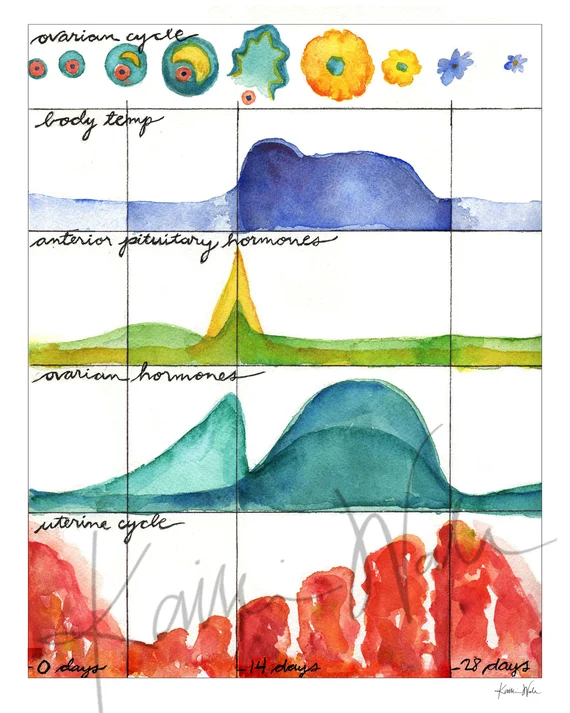
Postpartum depression results from the interaction of biological, psychological and social factors.
Biological factors
After childbirth, abrupt hormonal changes are observed, particularly in estrogen and progesterone levels. These changes affect mood and sleep regulation.
At the same time, physical exhaustion, lack of sleep and recovery from childbirth burden the neurobiological system.
Psychological factors
The transition to motherhood is a major developmental crisis. It can activate past conflicts, abandonment anxieties, or identity issues.
Women with a history of depression or anxiety are at increased risk of developing postpartum depression.
Social and environmental factors
Lack of support from a partner or family environment, financial difficulties, relationship problems, or stressful life circumstances can burden the new mother's mental state.
Treatment

Postpartum depression is treatable, especially when recognized early.
Psychotherapy
Psychotherapy is a basic therapeutic intervention. Within a safe therapeutic context, the mother can:
-
freely express her feelings
-
process the changes brought about by motherhood
-
reduce feelings of guilt and inadequacy
-
strengthen her self-confidence in the maternal role
Psychodynamic and interpersonal therapy have shown particularly positive results in the perinatal period.
Medication
In moderate or severe cases, medication may be needed. The psychiatrist assesses the situation and selects appropriate treatment, taking into account breastfeeding.
Supportive interventions
Practical and emotional support plays a decisive role:
-
help with baby care
-
adequate rest for the mother
-
strengthening the social network
-
support groups for new mothers
The importance of early recognition
Postpartum depression does not only affect the mother, but also the relationship with the infant and the overall family dynamic. Early intervention helps restore emotional balance and create a secure bond with the child.
Seeking help is not a sign of failure, but an act of care for both mother and child.