

Depression: symptoms, causes and modern therapeutic approaches
Depression is not just a bad mood, but a complex mental condition that affects thinking, feeling, and body. Understanding the symptoms and modern treatment options is the first step towards relief and reconnecting with life.
Depression: A Scientific and Psychodynamic Approach to Symptoms and Treatment

Depression is one of the most common and complex mental disorders of modern times. It is not just a temporary sadness or an unpleasant period, but a deeper mental state that affects the overall functioning of a person: thinking, feeling, body, relationships and the sense of meaning in life.
In clinical practice, depression appears in multiple forms and intensities. For some people it manifests itself as a silent internal withdrawal, for others as intense anxiety, physical fatigue or a feeling of emptiness. A common element, however, is the loss of vitality and hope.
Clinical picture and symptomatology

According to the diagnostic criteria of the international classifications, major depressive disorder is characterized by a series of emotional, cognitive and physical symptoms that persist for at least two weeks and significantly affect the person's functioning.
The main symptoms include:
Emotional symptoms Persistent sadness, feeling of emptiness, hopelessness, irritability or emotional numbness. Cognitive symptoms Negative thoughts about oneself, the world and the future, difficulty concentrating, indecisiveness, excessive guilt or feelings of worthlessness. Physical and behavioral symptoms Fatigue, loss of energy, sleep disturbances, changes in appetite, decreased sexual desire, slowed or restless movement.
In more severe forms, thoughts of death or suicide may appear, which are a significant risk indicator and require immediate professional intervention.
Etiology: the multifactorial nature of depression
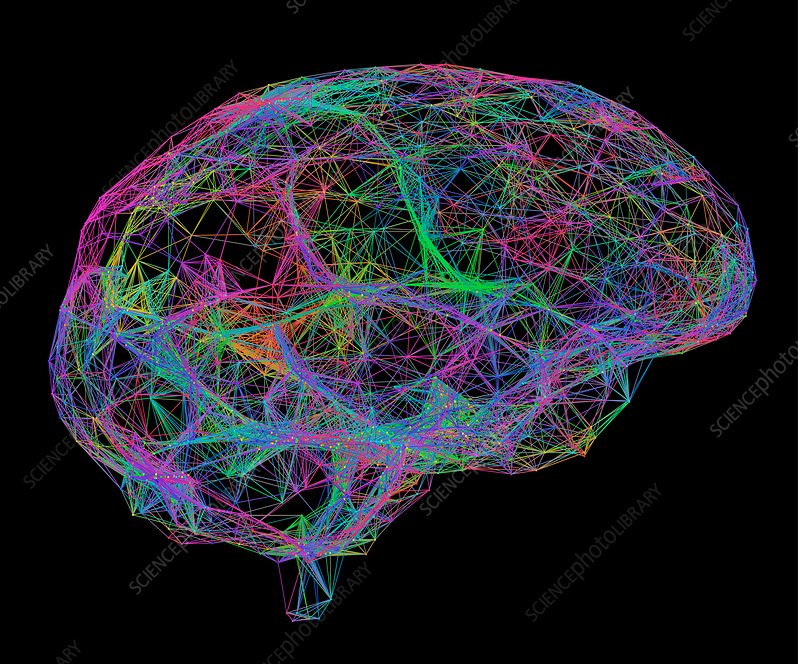
The modern scientific approach recognizes that depression does not have a single cause. Instead, it results from the interaction of biological, psychological and social factors.
Biological factors
Research in neuroscience shows that disturbances in the function of neurotransmitters, such as serotonin, dopamine and noradrenaline, are associated with depressive symptoms. At the same time, genetic predisposition seems to increase vulnerability, especially when combined with environmental stressors.
Neuroimaging studies have also shown differences in brain regions related to emotion regulation, such as the prefrontal cortex and the amygdala.
Psychological factors
The cognitive theory of depression (Beck) highlights the role of negative cognitive schemas, i.e. deeply rooted beliefs that lead the individual to see themselves as inadequate and the world as threatening.
At the same time, the theory of learned helplessness (Seligman) shows that repeated experiences of loss of control can lead to passivity and depressed mood.
Psychoanalytic and psychodynamic perspectives
In the psychoanalytic tradition, depression is often associated with the experience of loss, real or symbolic. Freud described melancholia as a state in which the individual turns aggression towards himself, following a loss that has not been consciously processed.
Later theorists, such as Melanie Klein and Donald Winnicott, emphasized early relationships and the quality of the emotional bond with primary care figures. When these relationships are characterized by inconsistency, absence, or emotional coldness, an inner feeling of emptiness or worthlessness can arise that is associated with depressive experiences.
Therapeutic treatment

Depression treatment is based on an individualized approach, which takes into account the intensity of symptoms, the individual's history and their specific needs.
Psychotherapy
Psychotherapy is a key pillar of treatment. In a safe therapeutic context, the individual can:
-
understand their emotions more deeply
-
process losses and traumatic experiences
-
identify dysfunctional relationship patterns
-
develop new ways of thinking and emotional regulation
Psychodynamic therapy, in particular, emphasizes understanding unconscious conflicts and early relationships that influence the current mental state.
Medication
In cases of moderate or severe depression, medication may be necessary. Antidepressants act on the regulation of neurotransmitters and can significantly reduce symptoms. Treatment should always be carried out under the supervision of a psychiatrist.
Complementary interventions
The scientific literature shows that certain factors contribute to improving mood:
-
a stable sleep-wake cycle
-
regular physical exercise
-
a balanced diet
-
supportive relationships and social contact
These changes do not replace treatment, but can act as a support.
The importance of early help
Depression is a treatable condition. Early help seeking reduces the risk of chronicity and complications and helps the person reconnect with vitality and meaning in life.
When sadness becomes persistent, when everyday life seems unbearable, or when thoughts of self-destruction appear, communication with a mental health professional is an essential and necessary step in care.