

Stress in everyday life and how it affects our health
Everyday stress can have a profound impact on mental and physical health. How it manifests itself, when it becomes burdensome, and what is the role of psychotherapy in managing it.
Stress as a normal psychobiological reaction
Stress is a normal and necessary reaction of the body to demands, threats or challenges. At a biological level, it activates the “fight or flight” mechanism, which prepares the body for immediate action. This activation is accompanied by an increase in adrenaline and cortisol levels, an acceleration of the heart rate, muscle tension and increased alertness.
In a mild and transient form, stress can function adaptively, helping the individual to respond to demanding situations, to mobilize and maintain their attention. However, when stress becomes chronic, excessive or persistent, it ceases to be protective and becomes a burden on mental and physical health.
Everyday life as a source of chronic stress
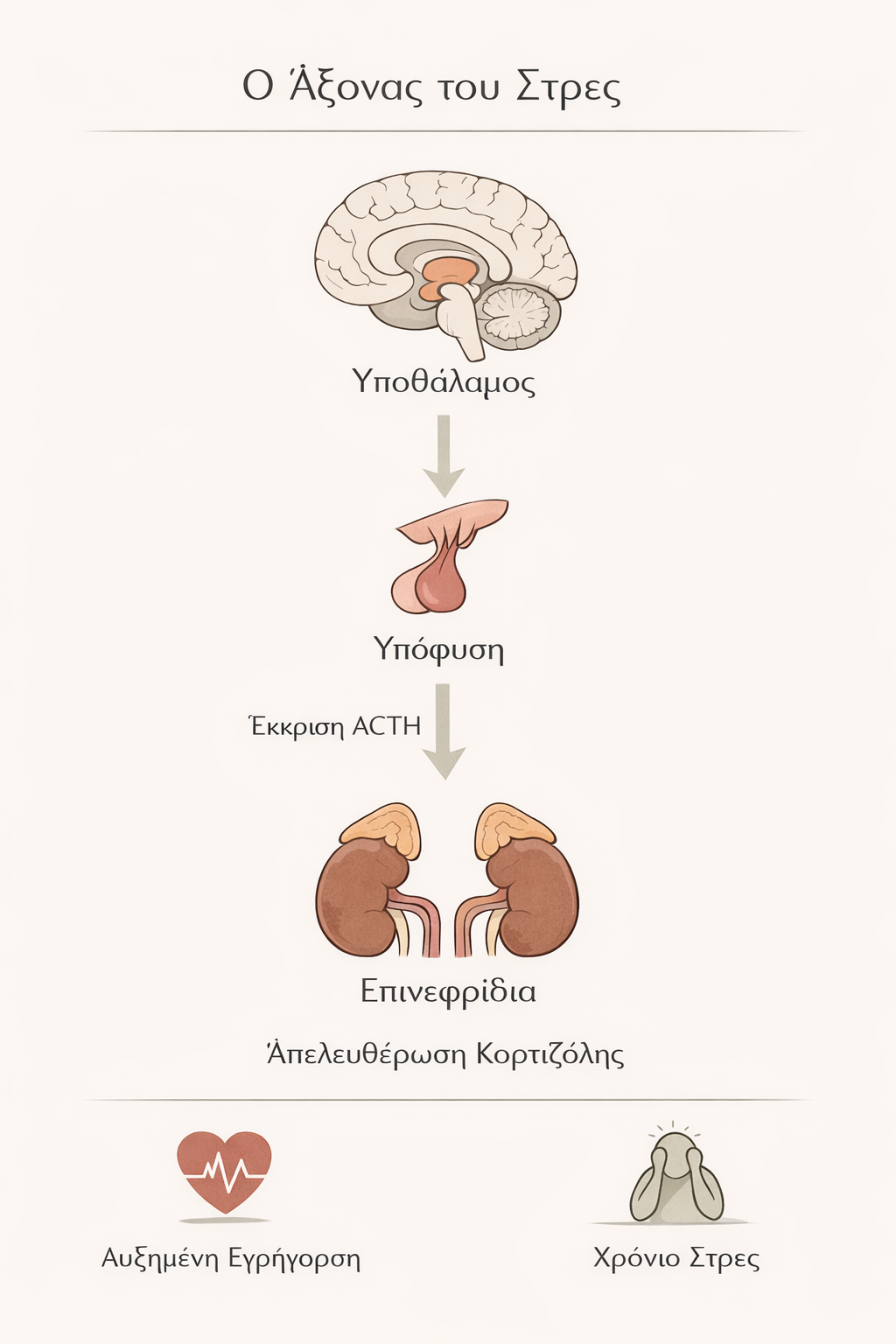
In modern everyday life, stress is often not associated with an immediate threat, but with accumulated demands. Professional pressures, financial insecurity, family responsibilities, social expectations and constant digital stimulation create an environment of constant tension.
In this state, the body remains in constant activation, without sufficient periods of relaxation and recovery. Chronic activation of the stress system leads to dysfunction of the hypothalamic-pituitary-adrenal (HPA) axis, which is associated with a variety of physical and mental disorders.
Psychological effects of chronic stress
Prolonged stress directly affects emotional and cognitive function. The following are often observed:
-
constant worry and tension,
-
irritability and emotional instability,
-
difficulty concentrating and making decisions,
-
sleep disorders,
-
feeling of fatigue and exhaustion.
Scientific studies show that chronic stress increases the likelihood of developing anxiety disorders and depression. Prolonged exposure to cortisol is associated with changes in brain structures, such as the hippocampus and amygdala, which are related to memory, emotional processing and fear regulation.
Physical consequences of stress
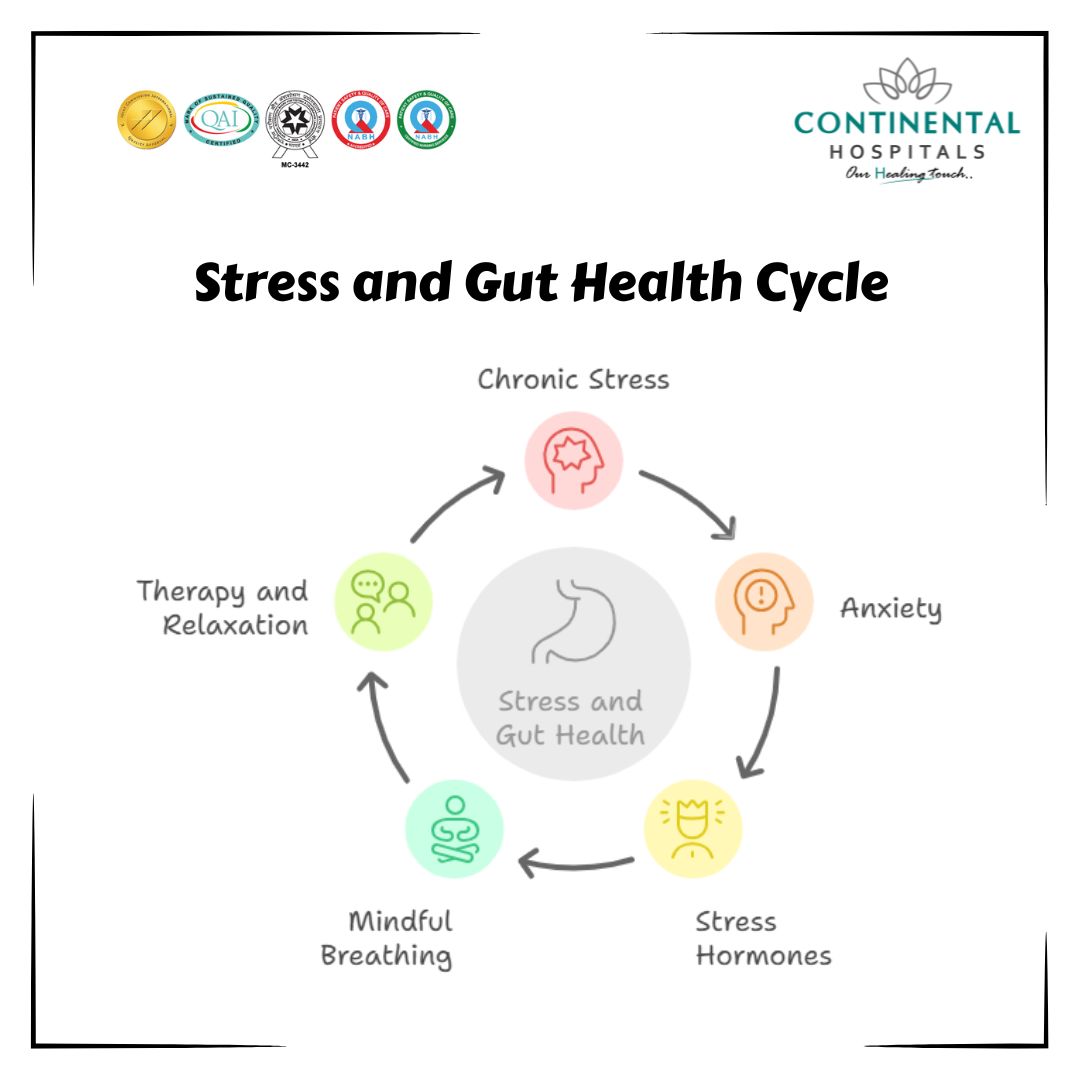
The body and soul function as a single system. For this reason, chronic stress often manifests itself through physical symptoms. Among the most common are:
-
headaches and muscle tension,
-
tachycardia and increased blood pressure,
-
gastrointestinal disorders,
-
reduced immune system defenses,
-
chronic fatigue.
Scientific data show that prolonged stress is associated with an increased risk of cardiovascular diseases, type 2 diabetes and inflammatory conditions. The constant activation of the body affects hormonal balance, sleep and metabolism.
Psychodynamic understanding of everyday stress
From a psychodynamic perspective, stress does not only come from external pressures, but also from internal conflicts. Unprocessed emotions, unconscious guilt, fears of abandonment or failure, and high internalized demands can intensify daily tension.
Anxiety, in this perspective, functions as a danger signal for something that the individual has difficulty recognizing or expressing. When it does not find symbolic or verbal expression, it often turns into a physical symptom or a pervasive worry.
The importance of emotional regulation and relationships

The ability to manage anxiety is directly linked to the quality of early relationships and caregiving experiences. Individuals who have developed secure attachments during childhood tend to regulate stress more effectively and seek support when they need it.
In contrast, insecure attachment styles are associated with greater vulnerability to anxiety, difficulty expressing emotions, and a tendency to avoid or overly depend on relationships.
The existence of stable, supportive relationships in adulthood acts as a protective factor against chronic stress.
Therapeutic approaches and treatment
Treating anxiety requires a multi-level approach that takes into account both external factors and the internal mental world.
Psychotherapy, especially when it focuses on deeper emotional processes, helps the individual understand the sources of anxiety, identify the unconscious patterns that fuel it, and develop more functional ways of managing it.
At the same time, practices such as sleep regulation, physical exercise, moments of relaxation, and reducing overstimulation from technology can contribute to restoring the body's balance.
Concluding Thoughts
Stress is an integral part of the human experience. However, when it becomes chronic and untreated, it profoundly affects both mental and physical health. Understanding the sources of stress, taking care of the body, and psychotherapeutic processing of emotions are key pillars for a more balanced and healthy everyday life.